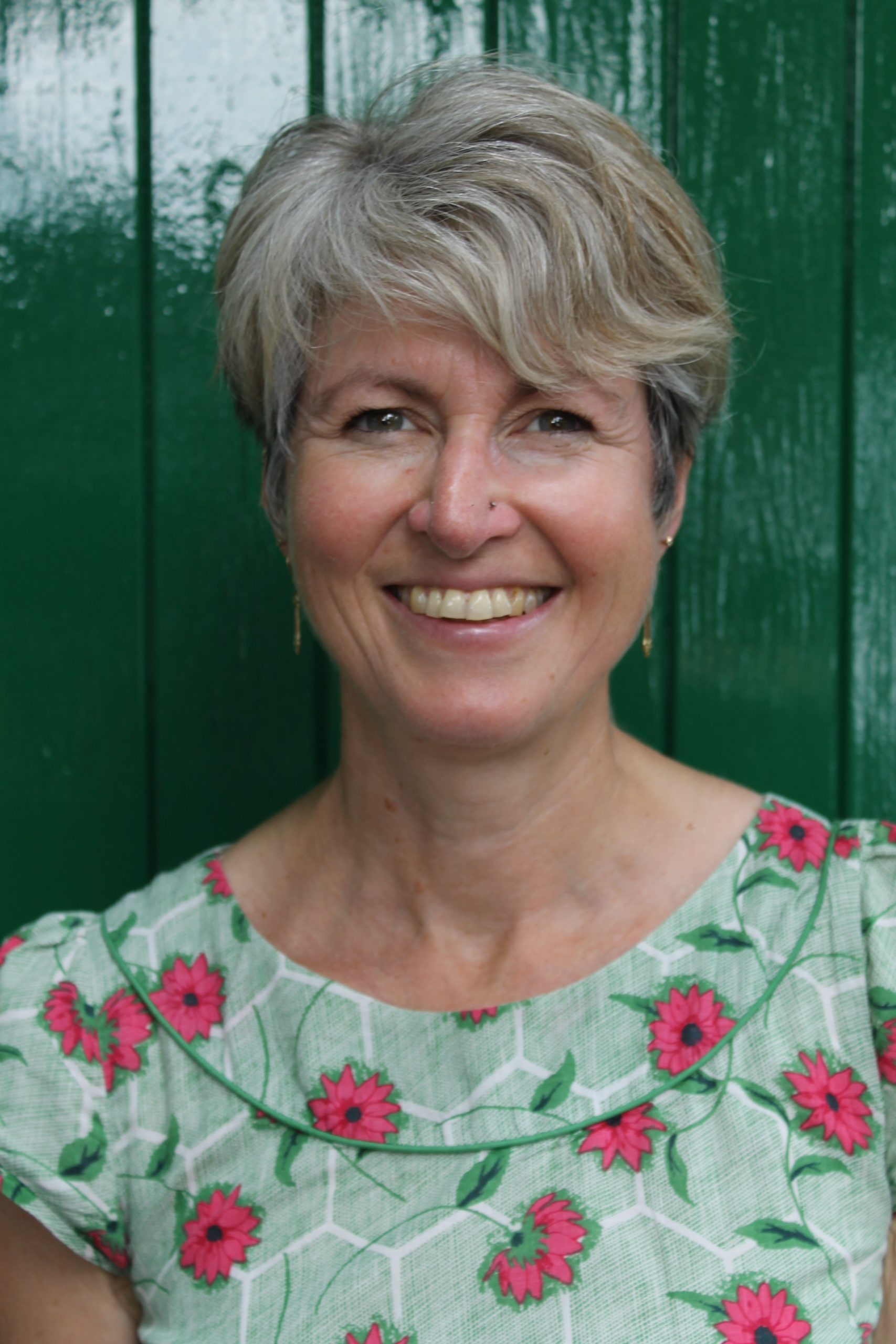
Dr Alison Evans
I discovered mindfulness back in 2004, when working within NHS psychological therapy services in Devon. This way of ‘being’ in the world seemed an attractive idea. It became obvious as I began to move into practice that I wanted to spend time cultivating a mindful way of living. I find that mindfulness helps to bring a clarity to life – both in awakening to the detail and colour, and also the clarity that comes with a decrease in reactivity. I wanted to find ways to share mindfulness with others.
Since 2004, my work has centred around mindfulness. Teaching courses and supporting others in developing their practice are at the heart of my work. I continue to teach courses, such as mindfulness-based cognitive therapy (MBCT), mindfulness-based compassion living courses (MBCL) and deeper mindfulness. Over the years, my mindfulness work has expanded to include training others to teach mindfulness with a number of leading training centres in the UK and supervising mindfulness-based teachers through The Mindfulness Network.
Mindfulness-based supervision has been a particular passion for me. My research for my MSc in MBCT was on mindfulness-based supervision, which led to a published paper outlining a framework for supervision. My research for my Doctorate in Clinical Research also focused on mindfulness-based supervision. Since 2015, I have been immersed in developing supervision training, supervising and supra-vising (in conjunction with The Mindfulness Network and Bangor University). This work led to the co-writing and publication of our book: Mindfulness-Based Supervision and Mentoring: Using an Embodied Dialogue to Support Learning and Reflection.
Along with my co-author and colleague, Pamela Duckerin, the Mindfulness Network and BAMBA, we have a shared vision for mindfulness-based supervision. The emphasis of the vision is on the importance of the work – rather than on any one individual or organisation – a sense of us as the custodians of mindfulness-based supervision. There are three key areas for the vision: Accessibility, Evolution, and Learning and Development.
Engaging in this work in ways that are safe and maintain integrity has been important to me. Therefore, I adhere to the good practice guidelines of the British Association of Mindfulness-Based Approaches (BAMBA) and am a registered teacher with them. I am dedicated to making mindfulness-based spaces as diverse and inclusive as possible and aim to bring this commitment into all aspects of my work.
I live and work from a small village in north Devon. I love the space and connection with nature that surrounds us in this beautiful part of the world. In many ways, this environment also supports a mindful way of living, and mindfulness supports an appreciation of this place and all that it offers. I am also fascinated by bringing mindfulness right into the midst of life – into those moments of stress, busyness, along with the challenges that we face. How, then, does mindfulness support clarity, vividness, and compassion? I continue to learn, explore and love doing this with others through my teaching, training and supervision.